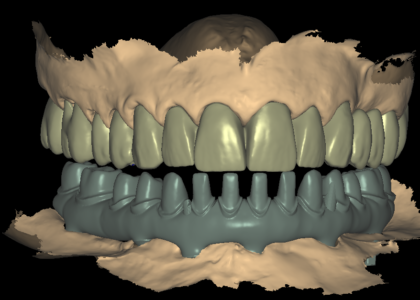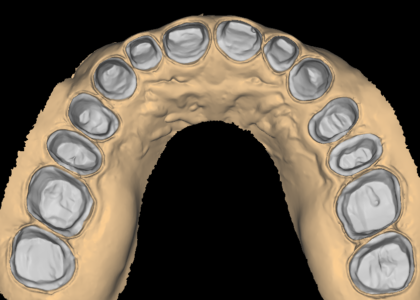
Dental CAD design turnaround time is the first number a laboratory compares, and the number vendors state most loosely. Some services advertise two-hour design. Others quietly mean “when we get to it”. Both claims can be accurate and still useless. Neither tells you what happens to your case on a busy Tuesday. This article breaks down what a realistic promise contains and which numbers survive real production. It also shows how to test a partner before your peak season depends on them.
A missed design window is never just a late file. It pushes your milling slot, your sintering cycle and the courier pickup. Eventually it pushes the delivery date your own client is expecting. That is why the commitment behind the number matters more than the number itself. The labs that outsource successfully treat turnaround as a process question, not a marketing claim.
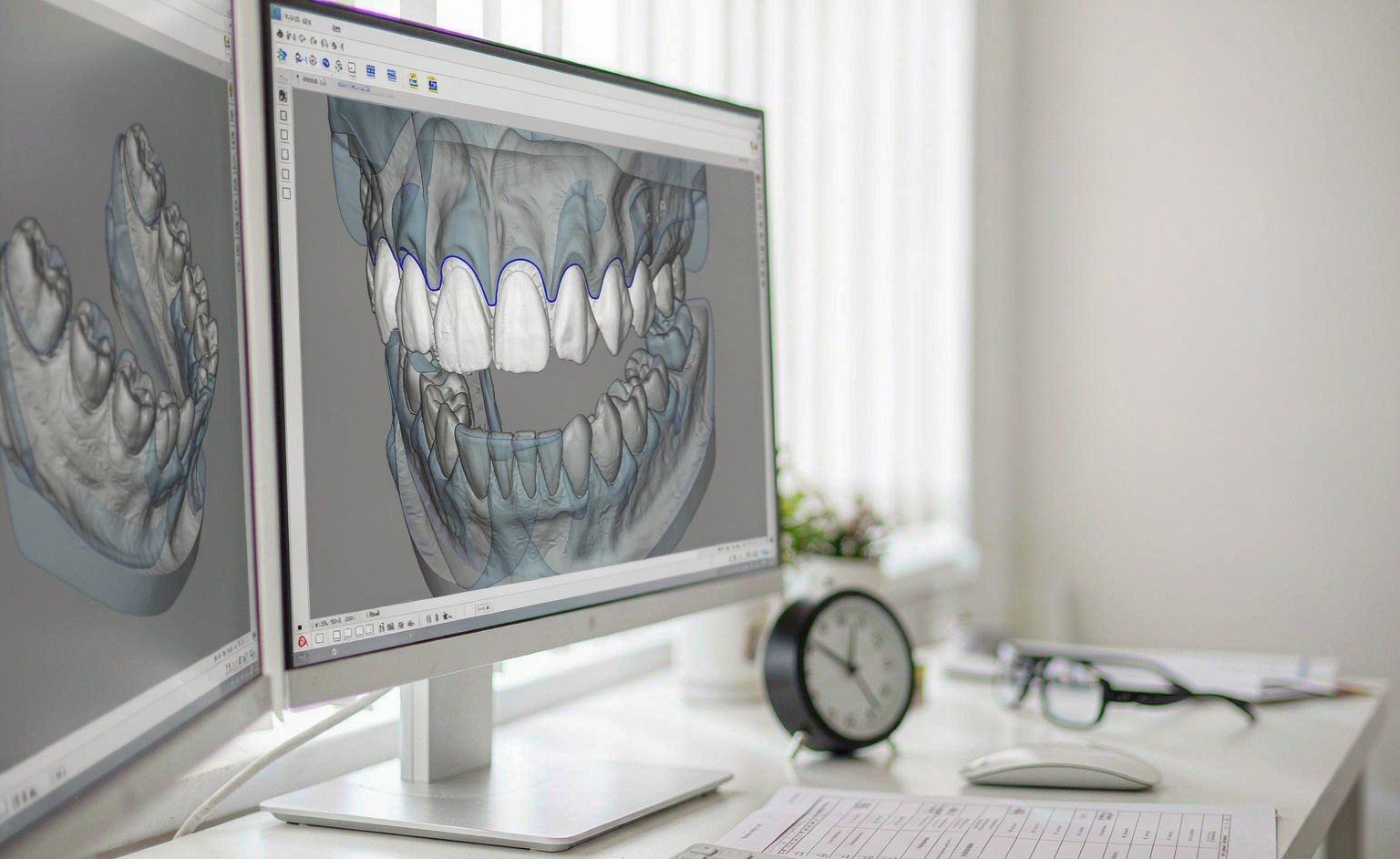
What Turnaround Time Actually Measures
The phrase sounds simple, yet vendors measure it in three different ways. Clock-from-upload starts when your intraoral scan finishes sending. Clock-from-queue starts when a designer actually opens the case. Clock-from-acceptance starts once the files pass a completeness check. The differences sound technical, but they decide whether a 24-hour promise is real.
The gaps are huge in practice. A case that sits unread for ten hours can still carry a 24-hour badge. So when you compare partners, ask one question first. Does the clock start when you hit upload, or when someone opens the file? A confident partner answers in one sentence. A vague answer usually means the clock lives somewhere you cannot see. Write the definition into your own order form, and hold every partner to the same sentence.
Time zones bend the definition too. A studio that designs while your laboratory sleeps can honestly deliver overnight. That is one genuine advantage of working with an offshore partner. However, the advantage only counts if someone also answers your questions during your working hours. Ask both questions in the same call: when do you design, and when do you reply?
Why 24-Hour Promises Break Down
Most turnaround failures trace back to four causes, and none of them are mysterious.
- Incomplete prescriptions. The file arrives without margin instructions, tooth numbers or shade notes. The case then goes back into your queue instead of the design queue.
- Volume spikes. A partner who absorbs ten extra cases cannot always absorb forty. Labs usually discover the limit during their own busiest week.
- Single-designer dependency. If one freelancer holds all your files, one sick day stops your production line.
- Slow revision loops. A fast first file means little when every adjustment takes another two days.
Each cause has the same fix underneath: planned capacity instead of improvised capacity. A studio with several designers, a written case-review step and a clear escalation path absorbs the bad days. A lone contractor cannot, however skilled they are, because one absence stops your production line with it. Ask a prospective partner how they handled their worst week last quarter. Listen for a process rather than a boast.
What a Workable SLA Looks Like on the Bench
A service-level agreement is simply a written promise about response and delivery times. It is worth reading the concept properly before you compare vendors. In dental design it should cover four points. State when the clock starts, what happens when data is incomplete, the window per case type, and the revision speed.
Realistic windows differ by complexity, and honest partners say so. A single crown with clear margins is genuinely a same-day to next-morning job. A three-unit zirconia bridge adds margin verification and connector sizing, so a 12-24 hour window is honest there. Full-arch implant work, implant bars and case presentations deserve a longer, stated window. Fit and passivity checks take real time.
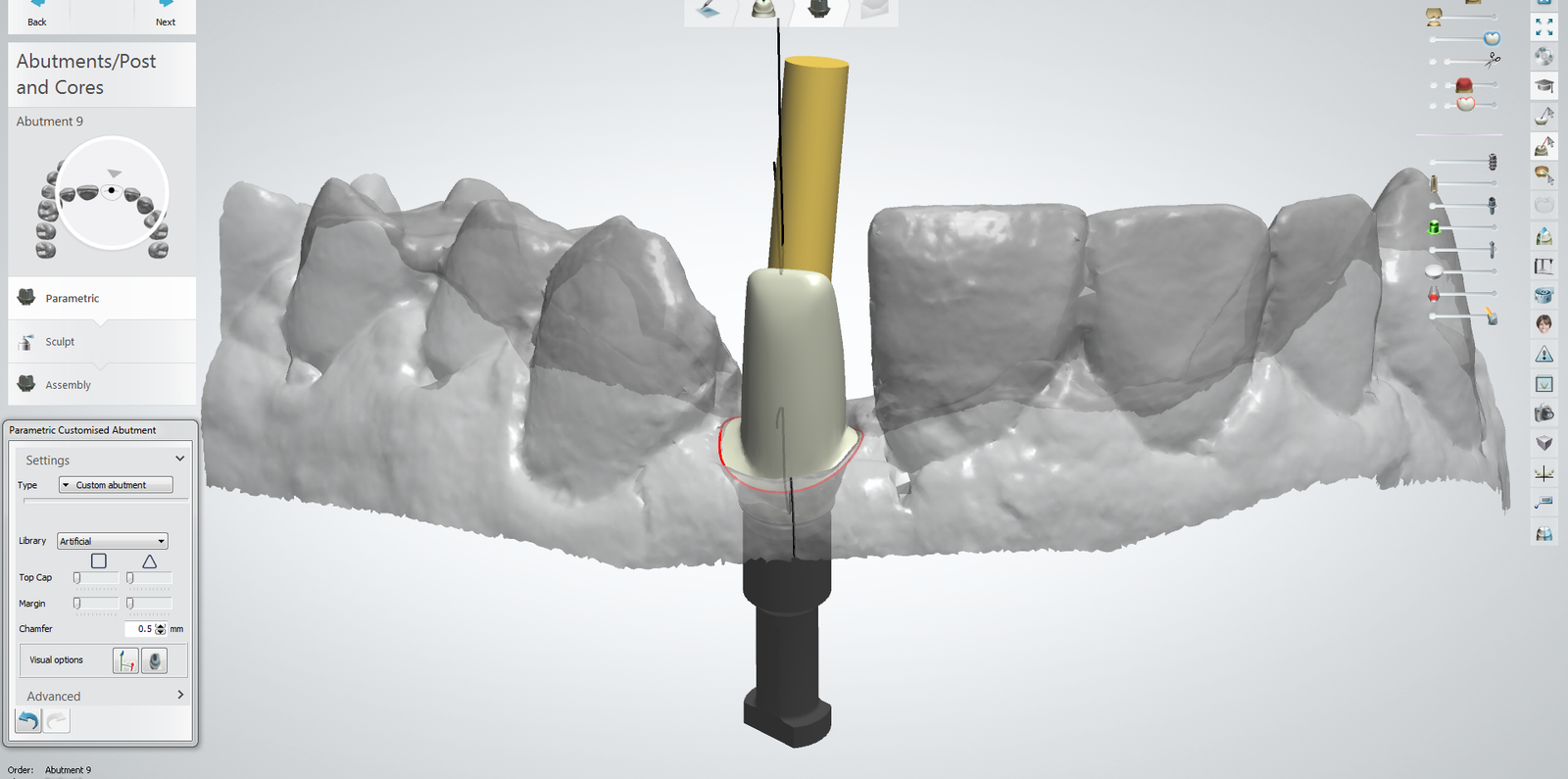
Removable work follows the same logic. A digital denture or a surveyed framework involves more steps than a crown. A partner who promises crown speed for denture work is hiding something. What you want instead is a per-category window, one your production schedule can rely on week after week.
Be careful with anyone who quotes an identical time for every case type. Uniform promises usually mean the clock starts somewhere generous. Also ask what happens at 5pm on a Friday, because that is exactly when promises tend to bend.
How We Keep a 12-24 Hour Dental CAD Design Turnaround
At OdontaLab the standard dental CAD design turnaround time is 12-24 hours. We count from case acceptance rather than from your upload. Rush support is part of that service, not an upsell. Urgent cases are precisely when a design partner should earn trust.
The flow behind that number is deliberately boring. You send scans with a written prescription. We review the data against your protocol and ask questions before designing. A two-minute message beats a two-day remake. A designer then builds the case in exocad or 3Shape to your margins, cement gaps and connector settings. After that, a senior designer reviews every file before release. Quality control therefore never becomes optional when the queue runs long. That is how a dental CAD design turnaround time stays predictable instead of lucky.
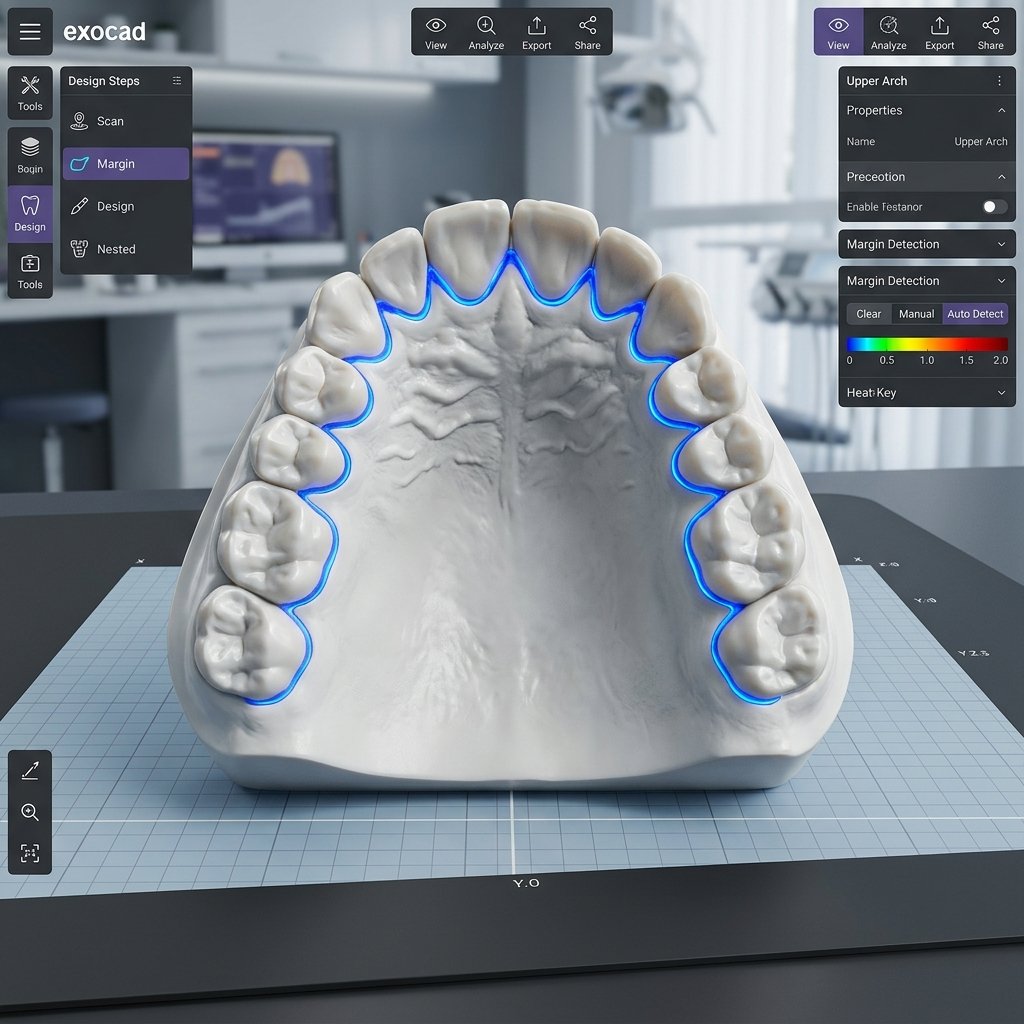
We store your preferences case by case, so file twenty looks like file one. If a design needs an adjustment, revisions come back reworked with a note, usually the same day. You can see the full range of what we handle on our design services overview. It covers routine fixed work, full-arch cases and removable work.
None of this requires heroics on our side. It requires capacity that already exists before your case arrives. That is the same standard you would demand from any supplier. If a partner needs your case to be “the exception” to hit a normal deadline, the deadline was never real.
You can test all of it with a single case. Send one crown and bridge design from this week’s queue. Judge three things: the file quality, our answer speed, and whether the clock behaves as promised.
Ready to check the number against your own production calendar? Send your first case through our contact page and include your protocol. Then compare our response time with every promise in this article. You can also start from the full list of design services. Pick the case type you want to test first.