The debate over an in-house designer vs outsourcing dental lab work usually starts with a salary figure. That is exactly where it goes wrong. A software seat, a steady queue and 200 units a month change the answer more than any wage comparison. Because this decision shapes your whole production calendar, it deserves a proper look at the numbers behind it.
Neither route is wrong. Laboratories run profitably both ways. The right answer depends on volume, case mix and how steady your inbound work really is. What follows is the model we would sketch with any lab owner before they commit. It uses hours and capacity rather than vague feelings.
What a 200-Unit Month Looks Like
Picture a mid-sized laboratory producing about 200 units a month. In a typical mix, that is roughly 120 to 140 crown and bridge units and 20 to 30 implant abutments. Add a few full-arch cases, plus dentures, splints and printed models. Nothing exotic. It is the profile of a lab with several technicians at the bench. One person, maybe two, lives inside CAD software all day.
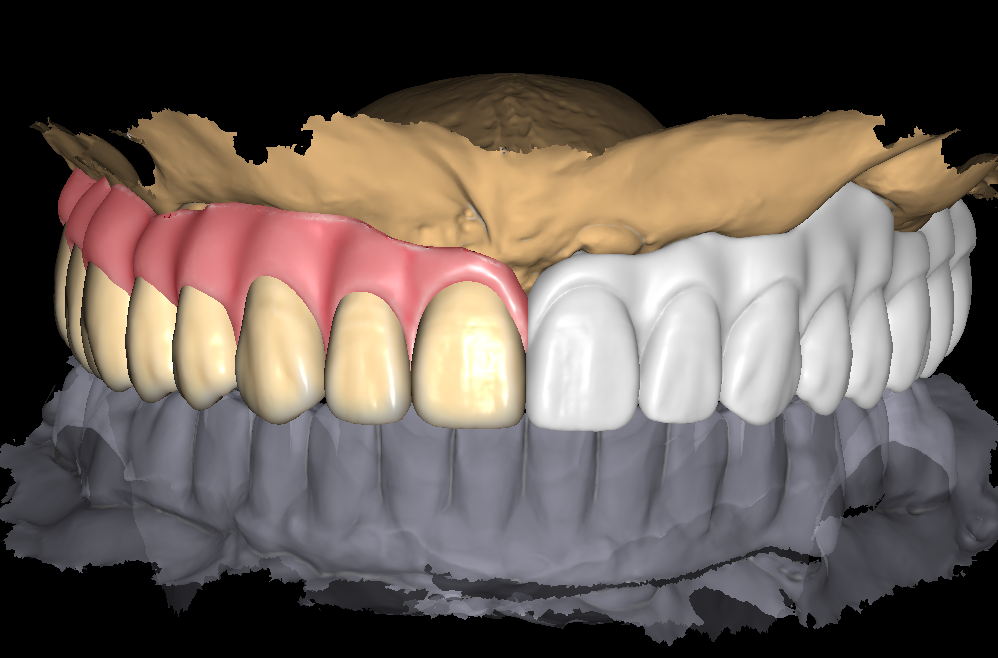
Case mix matters as much as raw count. A posterior crown might take 15 minutes of focused design. An All-on-X hybrid or a surveyed framework can consume several hours across multiple stages. When you compare the two routes, compare design hours per category instead of units. Units hide where the real workload sits.
That workload sounds comfortable until you map it against working days. Two hundred units across 21 working days is about ten units a day, every day. There is no buffer for remakes, rush jobs or a designer calling in sick. Since design hours are the bottleneck in this model, every lost hour becomes a unit that slips into next week.
The Real Math of an In-House Designer
Hiring a designer means paying for their whole month, not just their output. A full-time hire carries a fixed monthly commitment, whether the queue holds 90 units or 300. The bill covers salary, software licences for exocad or 3Shape, hardware, training and desk space. When the queue dips, you pay the same. When it spikes, that same desk becomes the choke point.
Recruiting adds another layer. Designers with real depth in exocad and 3Shape are scarce. The dental technician profession has been short of digital talent for years. Training a junior helps eventually, yet your senior bench loses hours to supervision meanwhile. The true expense of a hire shows up in other people’s output first.
Utilization decides everything
Utilization is the variable most labs skip entirely. A designer who also handles model work, scanning, phone calls or file cleanup is not designing during those hours. If true design time lands at 60 percent of paid hours, capacity sits far below the promise on paper. Absence makes it worse, because holidays, sickness and turnover leave the bench uncovered while backlogs do not wait politely.
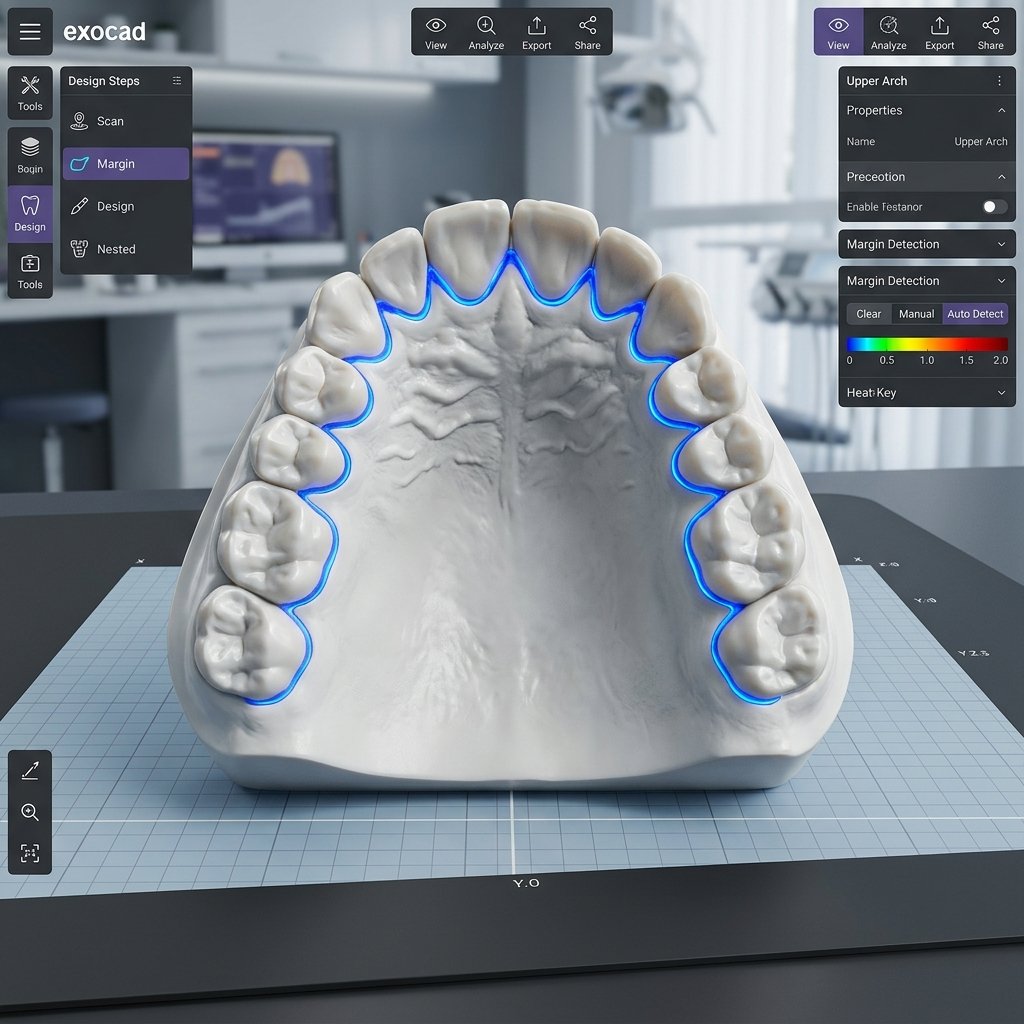
There is also the single-point-of-failure problem. One designer means one resignation can freeze your entire digital workflow while you search for a replacement for months. Two designers halve that risk and double the fixed commitment at the same time. The math moves further out before a single extra unit leaves the door.
What Outsourcing Dental Lab Design Actually Takes
Outsourcing swaps the fixed commitment for a variable one. You send cases with your prescription and protocol, and design hours arrive only when cases do. At 200 units a month, the per-unit effort stays transparent. The queue never idles when you are quiet, and it never caps you when you are busy. Peak season stops being a crisis and starts to feel like a normal Tuesday.
Quality control is the usual objection, and it is a fair one. The answer is process rather than hope. A partner should design in exocad or 3Shape to your margins, cement gaps and connector sizes. Every case gets a check before delivery, and files come back in 12 to 24 hours. Rush support belongs inside the service, not behind an upsell, and one real person should answer when something looks off.
The learning curve is shorter than most labs expect. Send your protocol once, request adjustments freely in the first weeks, and the designs converge on your house style quickly. After that, revisions become the exception instead of the routine. A good partner also flags a weak scan or an unclear prescription before designing anything. One message beats one remake every time.
When the Hybrid Answer Wins
The in-house designer vs outsourcing dental lab question is really a capacity question in disguise. For many labs at this volume, the strongest setup is a hybrid. Keep a designer, even part-time, for work that benefits from your chairside context. That covers complex aesthetics, cases where the dentist calls mid-design, and anything tied closely to your lab’s reputation. Then outsource the routine categories and the overflow, which is exactly where in-house capacity gets crushed first.
A useful way to test this takes an afternoon. Send one real case to a design partner this week. Compare the file, the turnaround and the communication against your own bench. Judge it on fit, margins and how quickly the partner answered your questions. If the file drops straight into your mill, you have your answer for that category. If it does not, you have lost an afternoon, not a hire.
OdontaLab works as the design department behind laboratories in North America, Europe, Australia and the Middle East. Every file gets a senior check, and the standard turnaround is 12 to 24 hours. Browse our dental CAD design services, or see how we handle crown and bridge design. Then send a test case and run the comparison on your own production floor.