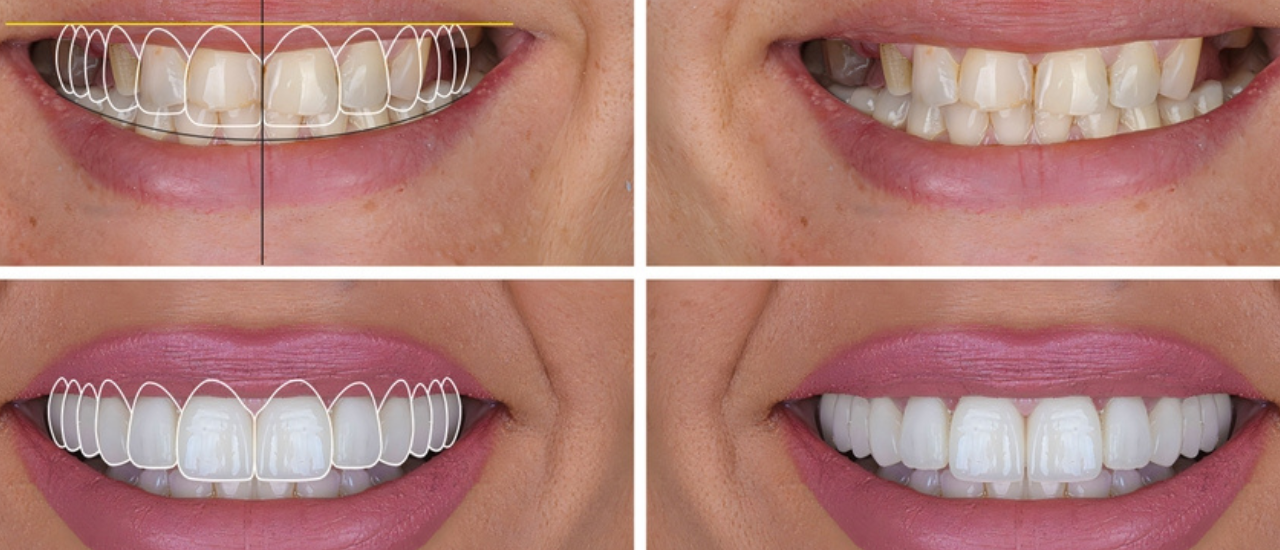
Digital smile design turns the photos a dentist already takes into a plan the patient can approve before treatment starts. For a laboratory, that changes the shape of an aesthetic case. The case arrives with agreed tooth positions, agreed proportions and an agreed look. The dentist presents with confidence. The patient signs off. Your technicians build to a file no one argues with at delivery. Remakes drop, and the case presentation stops being a negotiation. This article covers what a proper digital smile design case contains, and where labs usually lose time on one.
What a Digital Smile Design Case Delivers
Two files sit at the heart of a proper digital smile design case. The first is a 2D simulation. The second is a 3D mock-up. They answer different questions, and a case that skips one of them usually comes back as a remake. Here is what each one does for the case.
The 2D simulation sells the plan
A 2D simulation overlays the planned smile on the patient’s own facial photo. The patient sees their face rather than an anonymous stock model. The designer draws midline, tooth proportions and smile line against real reference points. The discussion at the consultation stays concrete. Dentists use this single image for case presentation and consent. In practice, it closes cases that a verbal description would lose.
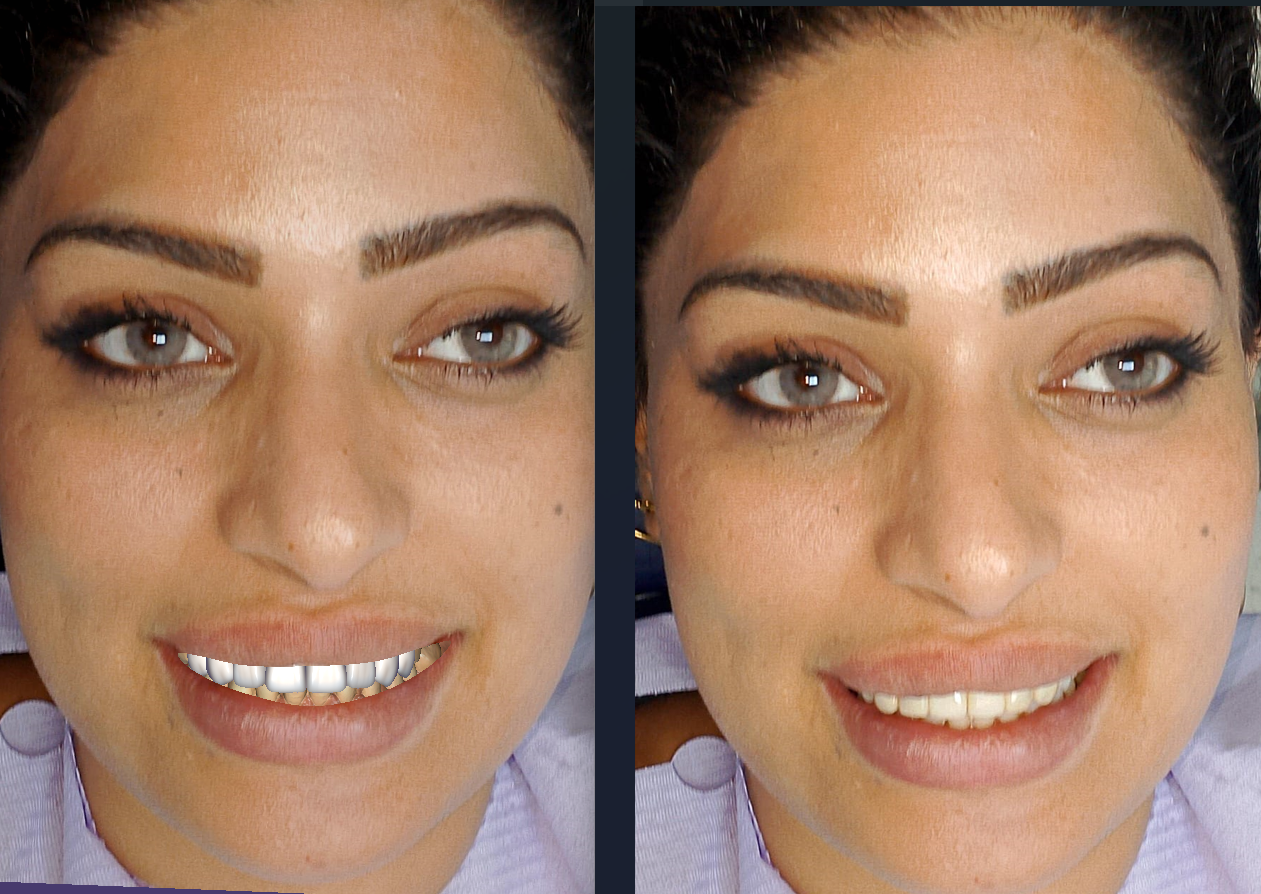
The 3D mock-up makes the plan physical
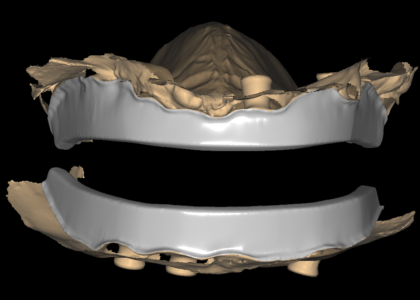
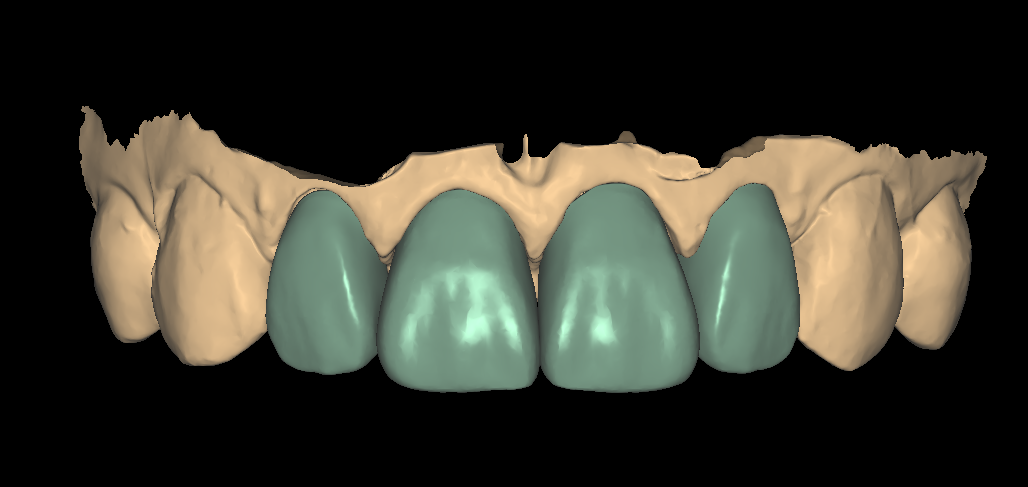
The mock-up is the printable file behind the simulation. Print it or mill it in PMMA or resin. The result is a trial smile the patient can wear and feel. It uses the same tooth library and proportions as the simulation. What the patient saw in the photo matches what they feel in the mouth. After approval, the same file becomes the blueprint for the final veneer or crown design. No rework sits between the two stages.
How the Workflow Runs, From Photo to Approved Plan
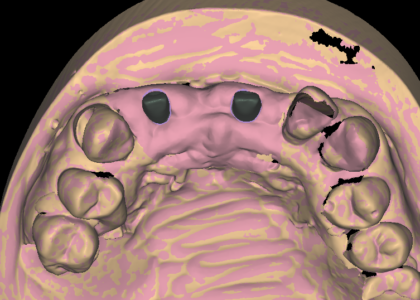
Everything starts with the photographs. A frontal shot at rest, a frontal shot at full smile and a profile view cover the facial analysis. Evenly lit phone photos are workable, so a missing professional setup should never stop a case. Alongside the photos go intraoral scans or model scans, upper and lower, with a bite registration. The dentist’s goals complete the package. Send preferred tooth length and shape, shade concept, and any reference images the patient brought in.
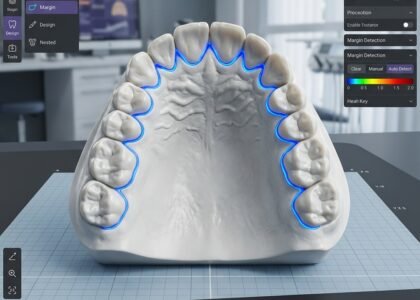
Design comes next. The designer maps the facial reference lines first. Lip dynamics come next, checked in smile and at rest, and tooth proportions follow the patient’s face type. This facially-driven planning is one branch of the broader shift toward digital dentistry. Labs in every market feel that shift in their case inbox now. Both deliverables of a digital smile design case come back within 12 to 24 hours of complete inputs. That covers the 2D simulation and the 3D mock-up file. The clock starts once the photo set and scans are complete, so a complete first upload protects the appointment date.

Then the dentist presents. The simulation goes on the screen and the mock-up goes in the mouth. The patient reacts to something real instead of an idea. Most patients approve the case at that appointment. When a patient wants a change, the request comes back as a note. The designer adjusts tooth shape, length or shade concept before the next visit.
Finally, the approved mock-up flows into production design. The same file drives the veneer and crown work. The restoration your lab delivers then matches the smile the patient approved. That continuity is the entire point of the method.
Where Labs Lose Time on Smile Cases
Three delays show up again and again. First, incomplete inputs. A case without a rest photo or a bite registration stops at the case review stage. Questions then travel back and forth by email. Sending the full set the first time is the cheapest speed upgrade available. Second, disconnected vendors. When one designer handles the simulation and another handles the final restorations, the team rebuilds the approved mock-up. Small differences creep in. One design partner from simulation to final file removes that seam. Third, slow revision loops. Aesthetic cases live or die on how quickly a tweak comes back. A revision round that takes days puts the consultation date at risk. Every one of these fixes costs nothing but a habit change.
Why Labs Outsource Digital Smile Design
Some labs keep a designer on the bench for smile work and leave the seat half empty between aesthetic cases. Others send the whole category out. Outsourcing suits this category for a plain reason: the case volume is spiky, but the skill requirement stays high. A studio that designs these cases all day in exocad and 3Shape stays independent of your bench schedule.
At our studio, we plan every smile case from the face rather than the arch. A senior designer checks it before delivery. It comes back within 12 to 24 hours. Minor revisions continue at no charge until the dentist approves the simulation. When the same case needs final veneer or crown design, it stays with the designer who built the mock-up. Nothing gets redrawn from scratch. One account contact handles the whole chain, and case files stay confidential by default.
Digital smile design earns its keep at the presentation appointment. The dentist arrives with a picture of the outcome instead of a description of it. The laboratory receives an approved file that flows straight into production. If smile cases are queuing up in your lab, send us the photos and scans. Use our DSD smile design service, or browse the full range of dental CAD design services. Prefer to talk through a specific case first? Contact us and a designer will reply before your consultation date.