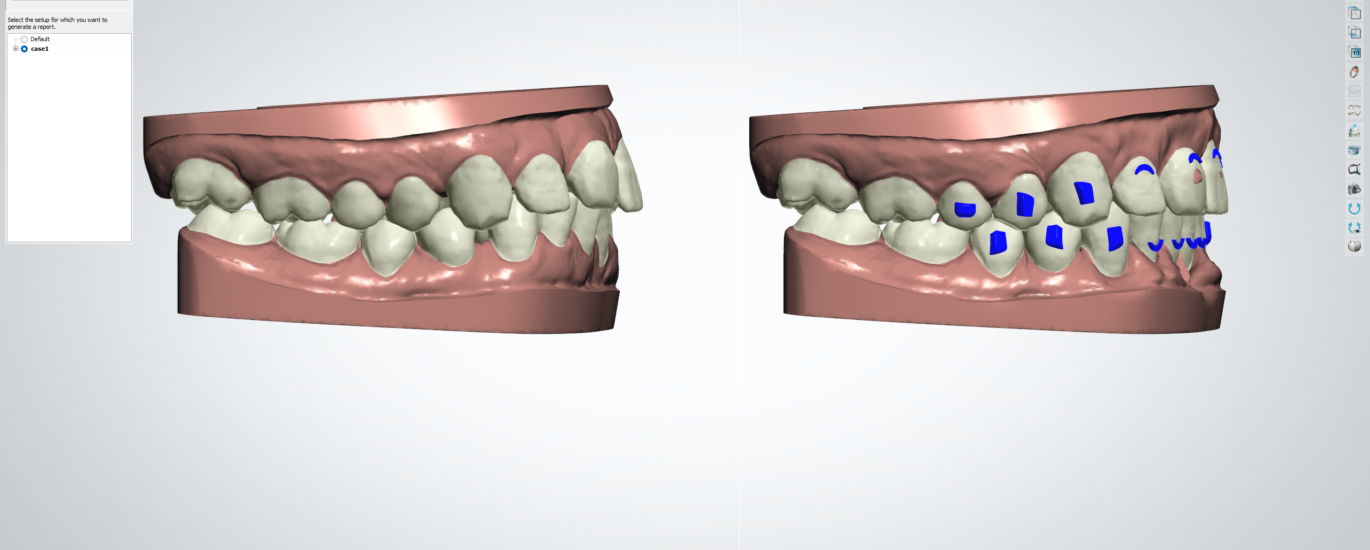
A clear aligner treatment plan gets settled at the staging table, not at the thermoformer. Two laboratories can start from the same scan and the same prescription and still finish with different outcomes. The difference sits in how the designer divided the movement into stages, not in the plastic.
Most tracking problems that show up at aligner four started during planning. The plan asked a tooth to rotate faster than its root allows. Or it closed space before opening any. Or an attachment was left off a tooth that needed one to hold position. None of those fixes happen in the patient’s mouth. They happen in the file.
Where Staging Decides the Case
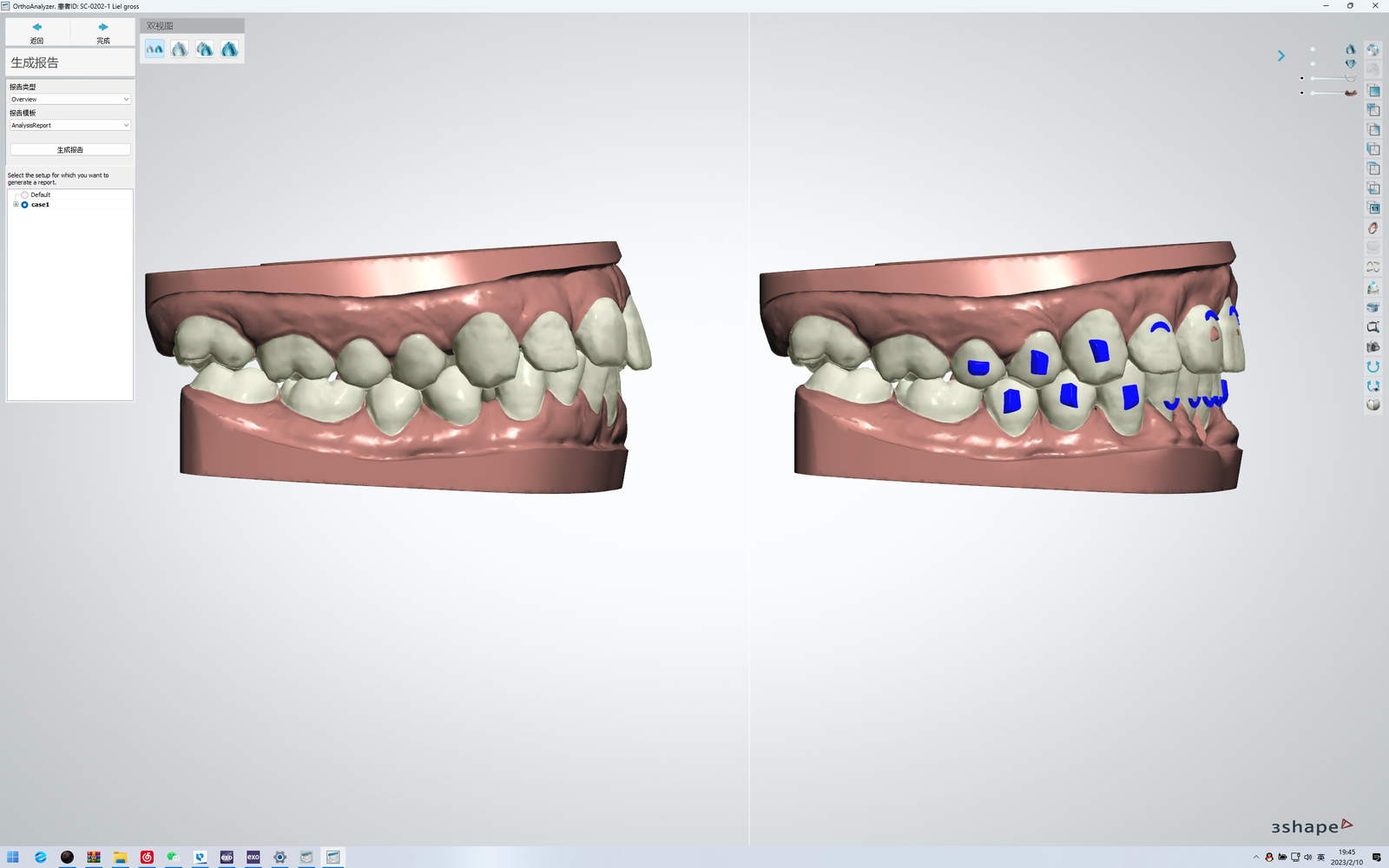
Aligner work runs on one constraint. Each aligner moves a tooth a small distance, and the tooth has to arrive before the next one starts. The planning question is how much movement fits inside one stage without losing control. Answer it too generously and the aligner stops tracking. Answer it too cautiously and the case runs for forty stages where twenty would do.
Anchorage is the other half of that equation. Every planned movement pushes against something. Closing a premolar space pushes the posterior segment forward unless the plan holds it back. Retracting an anterior segment pulls the molars mesially unless something resists. A clear aligner treatment plan that ignores those reaction forces will look correct in the simulation and fail in the mouth.
Start From the Target, Not From the First Step
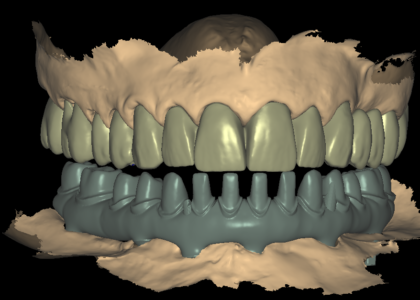
Good planners work backwards. The designer sets the final occlusion first: which teeth move, where they land, and what the arches look like at the end. Only then does the movement get divided into stages. Working forwards from the initial scan tends to produce a plan that drifts, because nobody decided where it was going.
That final setup is also the piece a dentist can present. A patient who sees the target understands why the case runs for a certain number of aligners. A patient who only sees stage one assumes the treatment is guesswork.
How We Build a Clear Aligner Treatment Plan
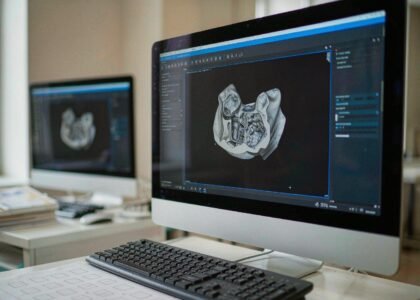
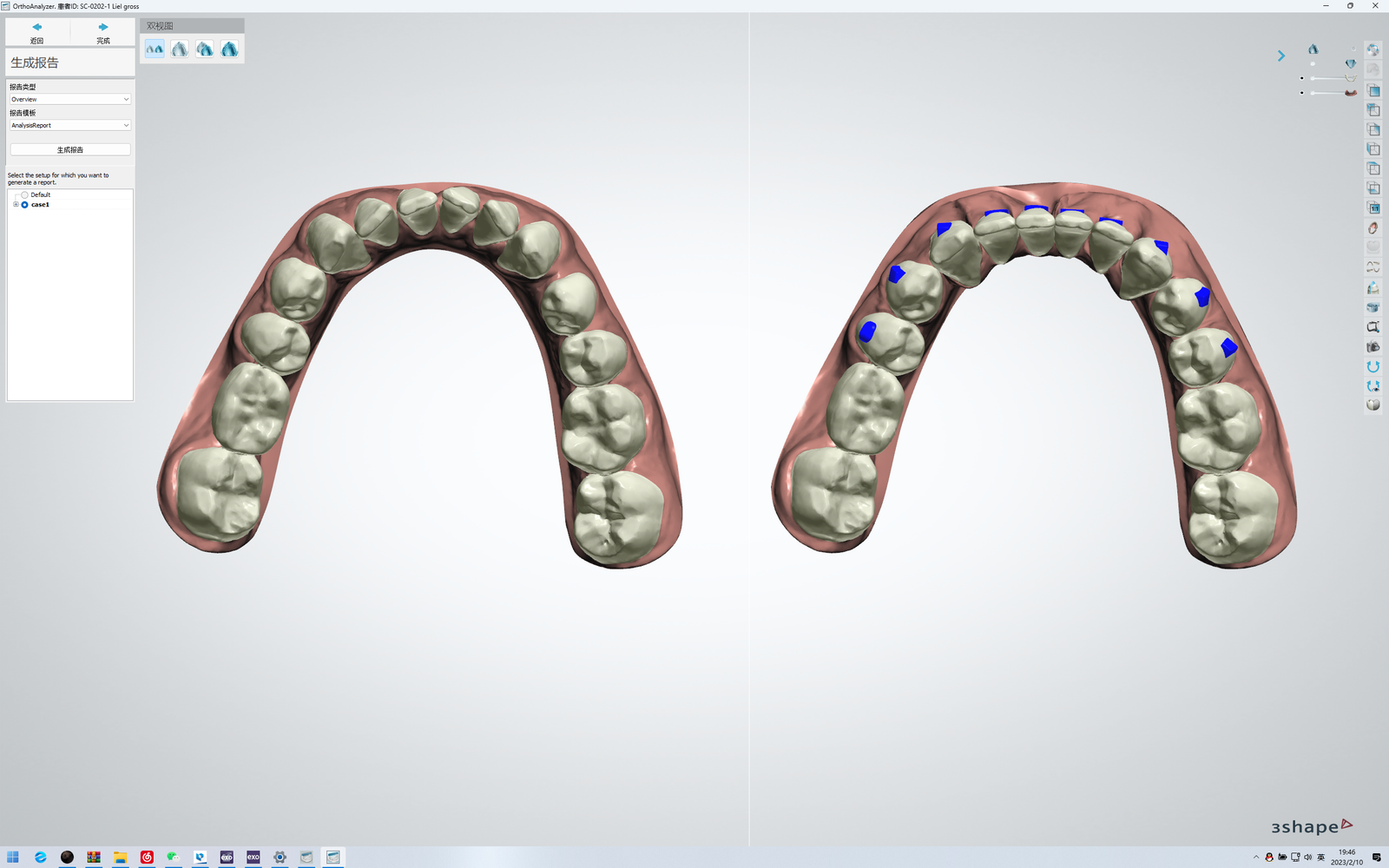
Every plan we build follows the same order. The prescription sets the goals, the target occlusion sets the endpoint, and the staging explains how the case walks from one to the other. Software handles the animation, and the designer handles the judgement.
Sequence Movement the Way Biology Tolerates
Some movements travel well together and some do not. Intrusion and rotation rarely agree on the same tooth in the same stage. Translation needs space before it can start, so extraction cases get their space opened before any retraction appears. Crowding relief usually comes first, because everything downstream needs the room.
Round roots are the usual source of disappointment. A premolar rotates easily on screen and stubbornly in the mouth. When a plan calls for rotation on a round-rooted tooth, an attachment and a slower rate give the movement a chance. Where the rotation is cosmetic and the risk is high, a plan that accepts the position often serves the patient better than one that fights it.
When Attachments and IPR Earn Their Place
Attachments are not decoration. Each one adds a handle that lets the aligner apply force in a direction the tooth would otherwise ignore. They also add chair time and one more item a patient can lose. Place them where the movement genuinely needs a handle, then leave the rest of the arch clean.
Interproximal reduction follows the same logic. A chart that specifies amounts per contact per stage turns a clinical decision into a checklist. Vague instructions such as “IPR as needed” push the judgement back to the chair, usually at the worst possible moment. Enamel does not grow back, so settle the numbers before anyone picks up a disc.
What Belongs in Each Delivery File
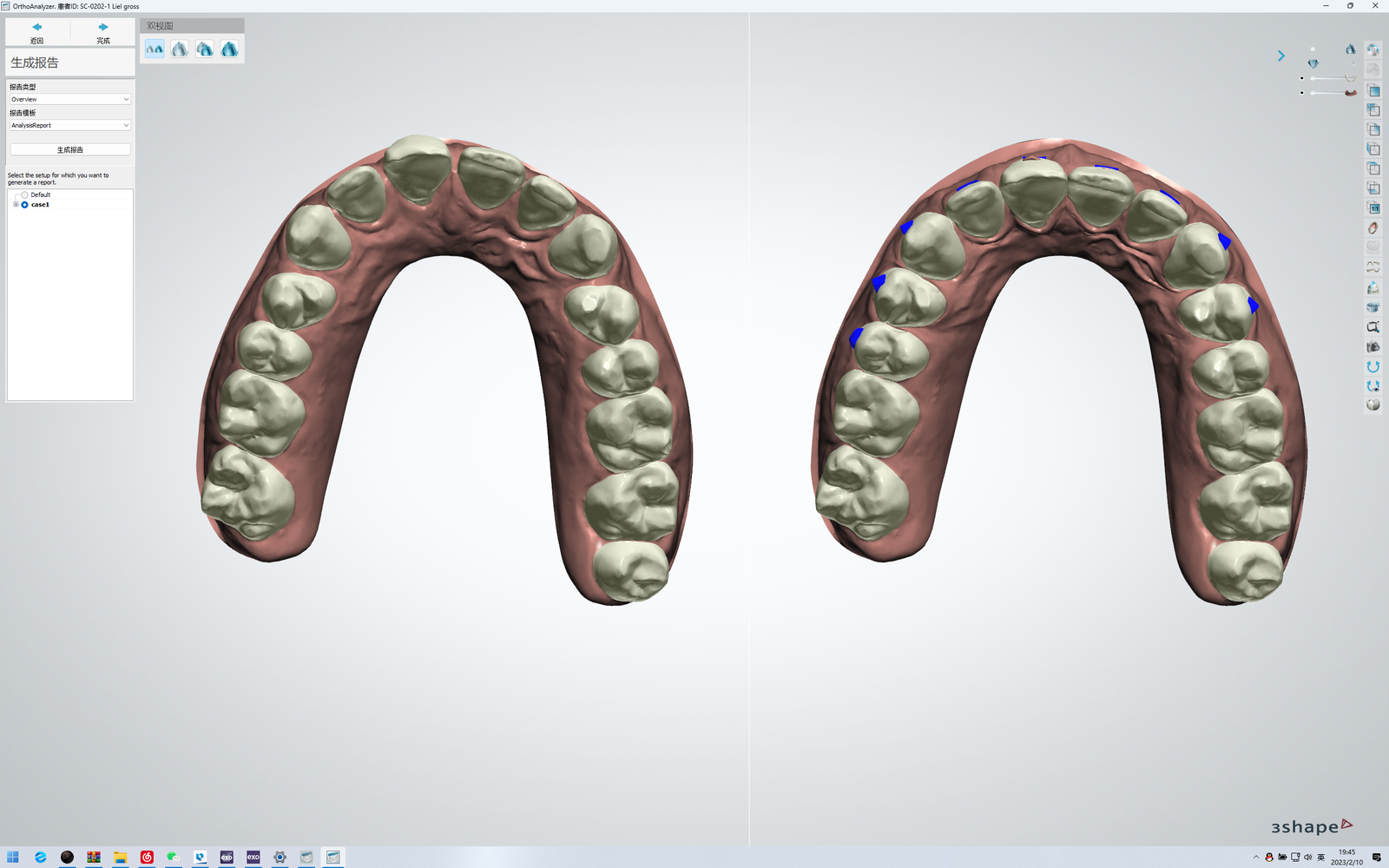
A stage file has to be usable by whoever runs the printer. That means an oriented, labelled model with a clean slice, plus a stage number nobody has to guess. A folder of unnamed STL files wastes more production time than the design saved.
The written chart matters just as much. Each stage ships with its own reduction amounts, its own attachment list and, where relevant, cutouts for elastics. When the production team has the chart beside the printer, the aligner leaving the machine matches the one the dentist approved.
Where Plans Drift Off Course
Tracking loss is not a single event. It accumulates. A tooth that lags by half a millimetre in stage six is a full millimetre behind by stage twelve, and the aligner stops seating. Mid-course scans catch this early. A restage built from the real positions usually recovers the case in fewer aligners than a full re-plan.
Two habits prevent most of it. The first is planning overcorrection where a movement tends to lag, rather than promising a number the teeth will not reach. The second is reviewing the case at the halfway point instead of at the end. Both take minutes, and both keep refine loops short.
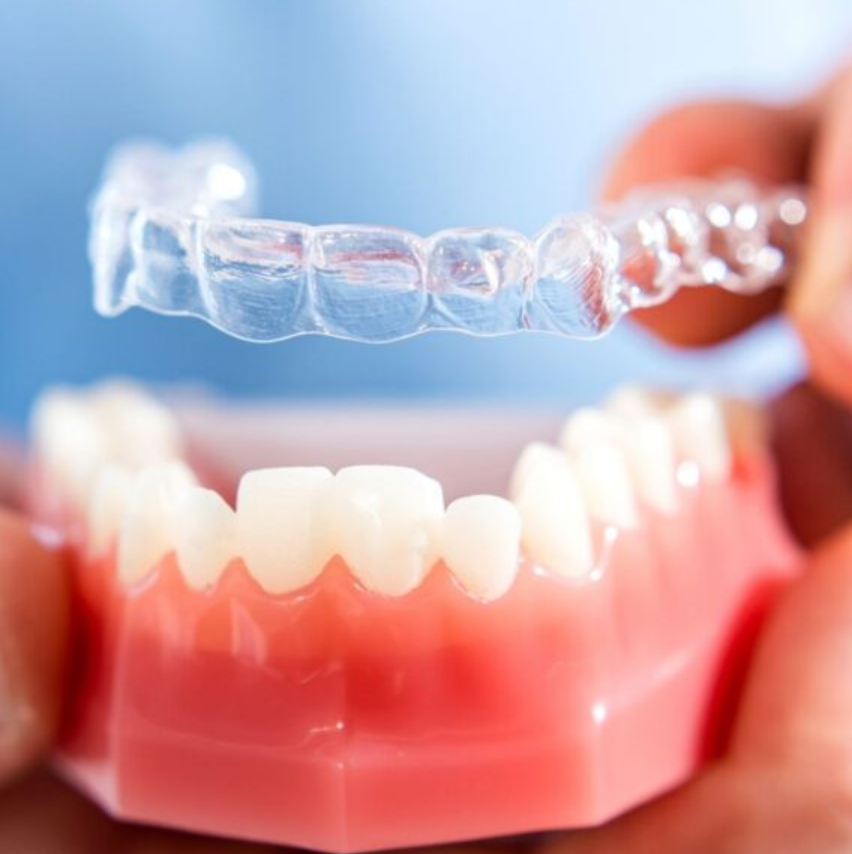
Sending a Case to a Design Partner
Outsourced planning only works when the inputs are complete. Send the upper and lower scans with the bite registration, the dentist’s prescription with goals and constraints, and patient photos if the simulation needs to look real. A prescription that says “align the arches” leaves the designer guessing, and guessing usually means a revision round.
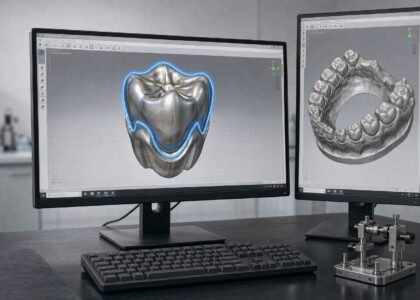
Turnaround on each stage runs 12-24 hours from a complete case, in exocad or 3Shape. Rush work carries no surcharge, and minor revisions stay free until the dentist signs off the setup. That matters most on the cases where the first target misses, because a fast second attempt is what keeps the consultation date intact.
OdontaLab builds the aligner planning service around those stages: tooth movement setup, staging simulation, IPR chart, attachment specification and the per-stage production files your printer runs. Laboratories that also send restorative work get one partner across the full design range instead of three vendors with three logins.
If a case is waiting on a setup this week, send the scans and the prescription through the contact page. We will confirm the staging approach and the delivery window before anyone builds the first stage. Reading about removable orthodontic appliances explains the hardware. The plan is what makes the hardware work.